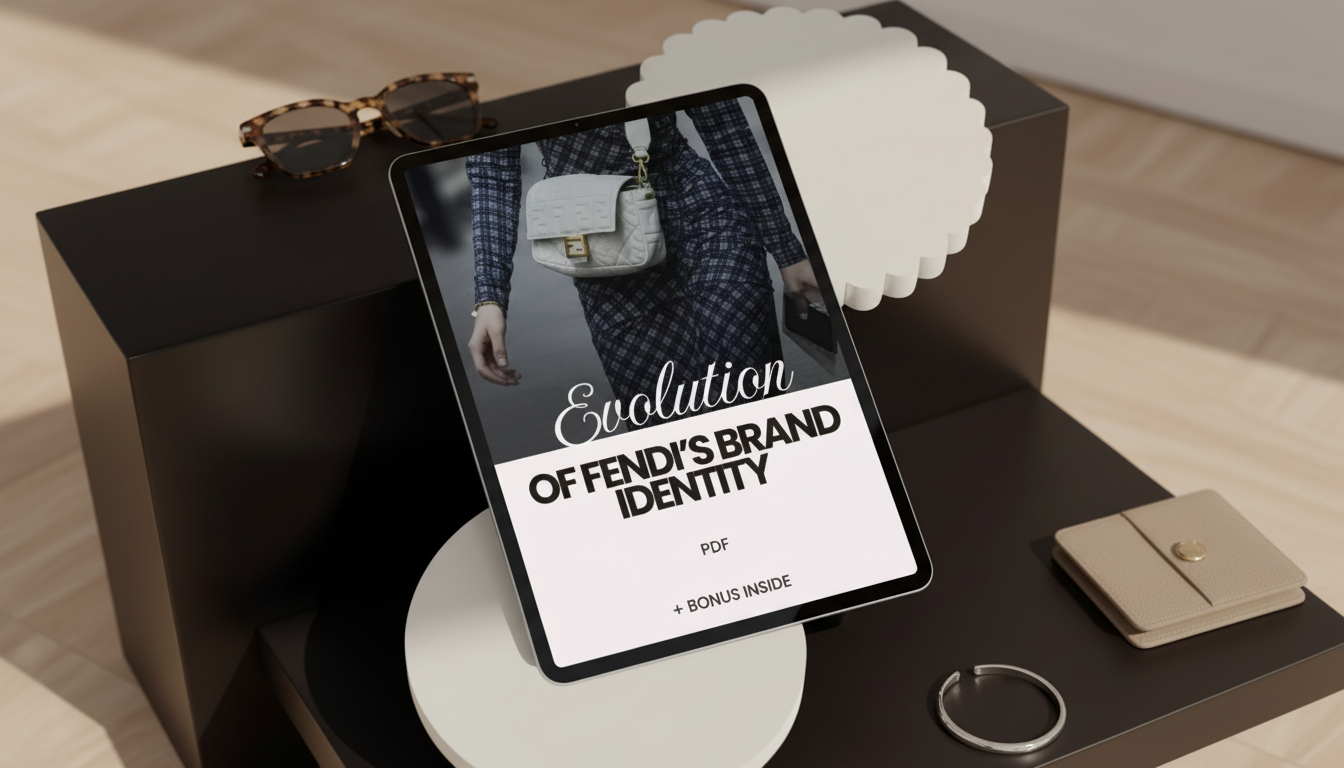
Fendi’s identity has been shaped by a century of craftsmanship, family leadership, and daring shifts in design language—from Roman fur expertise to globally recognized icons and modern creative direction. This guide breaks down the brand’s key eras, the signals that make Fendi instantly recognizable, and how its visual and product codes evolved while staying rooted in luxury and innovation. For more guidance, see [PDF] KARL LAGERFELD DESIGN HISTORY.
In luxury, “brand identity” is the full system that makes a house legible at a glance and believable up close. It includes the heritage story (where the brand comes from and what it stands for), product signatures (materials, construction, silhouettes), the visual system (logos, typography, color, photography style), and the retail experience (space, service, packaging). For further reading, see [PDF] Karl Lagerfeld Design History.
The best luxury identities balance continuity and change. Continuity protects recognition—those repeatable codes that look “right” even as trends swing. Change keeps the house culturally present, able to speak to new audiences, new categories, and new creative leadership without feeling like it’s chasing the moment.
Most importantly, identity is more than a logo. It’s the claim of craftsmanship, the feel of hardware, the weight of leather, the precision of a stitch line, and the confidence a customer feels when the product is worn and seen.
Fendi’s Roman roots matter because place-of-origin is one of luxury’s strongest authenticity cues. Rome signals history, artistry, and a deep relationship to Italian workmanship—an origin story that naturally supports a premium, artisanal image. That “made-in-Italy” expectation becomes part of the identity even before a customer touches a product.
Early positioning around specialized craft built trust: expertise that wasn’t generic, but practiced and refined. Over time, marketing aesthetics and silhouettes evolved, yet the center of gravity remained the same—craftsmanship as the proof behind the promise.
That consistency is crucial. When a brand’s creative language changes, the audience needs stable anchors: materials that feel elevated, finishing that looks intentional, and a product presence that still reads as luxury. For background on the house’s history and milestones, sources like Encyclopaedia Britannica and the FENDI Official Website provide helpful context.
Long creative partnerships can do something rare in fashion: turn a house’s “look” into a language. When design direction is sustained over decades, brand codes become standardized—repeatable enough to be recognized worldwide, yet flexible enough to keep producing seasonal novelty.
In Fendi’s case, recurring motifs, monogram language, and confident shapes helped consumers identify the brand instantly. Identity becomes easier to “read” when the same visual cues recur across categories: ready-to-wear, bags, small leather goods, footwear, and hardware details.
The balancing act is experimentation with continuity. Runways can test new proportions, new styling, and new color stories, while the consumer still finds stable signifiers—structured silhouettes, precise construction, and distinctive detailing that feels unapologetically high-fashion rather than anonymous.
| Signal | What it communicates | Where it shows up |
|---|---|---|
| Iconic motifs and monogram language | Immediate recognition and status signaling | Leather goods, ready-to-wear patterns, accessories hardware |
| Statement outerwear and fur legacy | Technical craft and indulgence | Runway collections, archival references, winter capsules |
| Architectural silhouettes | Modernity and precision | Bags, tailoring, structured coats |
| Playful luxury detailing | Fashion-forward confidence | Color accents, charms, unexpected material contrasts |
In modern luxury, hero products often carry brand identity more consistently than any single runway theme. A bag icon can become shorthand for the house’s values: craft, innovation, and desirability. When an accessory is repeatedly photographed, gifted, collected, and resold, it becomes a portable billboard for the brand’s codes.
For readers who want a structured way to map Fendi’s identity through its product story, the Evolution of Fendi’s Brand Identity – eBook Guide to Fendi’s Legacy & Growth offers a focused framework for tracing eras, signatures, and the way icons reinforce the house’s visual language over time.
For a complementary framework on long-term direction and goal-setting (useful for creative projects and personal research plans), Design Your Life: A Simple Guide to Setting Goals That Actually Matter can help turn inspiration into an actionable study process.
Fendi is often recognized through its motif and monogram language, a strong emphasis on craftsmanship and materials, and a preference for structured, architectural silhouettes. Iconic accessories and repeating design details across seasons help the identity stay consistent even as collections evolve.
Fendi maintains continuity through stable house codes—signature motifs, precise construction, and recognizable silhouettes—while modernizing through evolving campaigns, digital storytelling, collaborations, and category expansion. The brand’s growth tends to work best when newness translates existing codes instead of replacing them.
Yes. It’s most useful for readers who want to analyze Fendi by eras, identify stable codes versus seasonal experiments, and pinpoint “growth moments” where the brand expands while protecting its core identity. The same approach can be applied to other houses and to broader design research.





Leave a comment