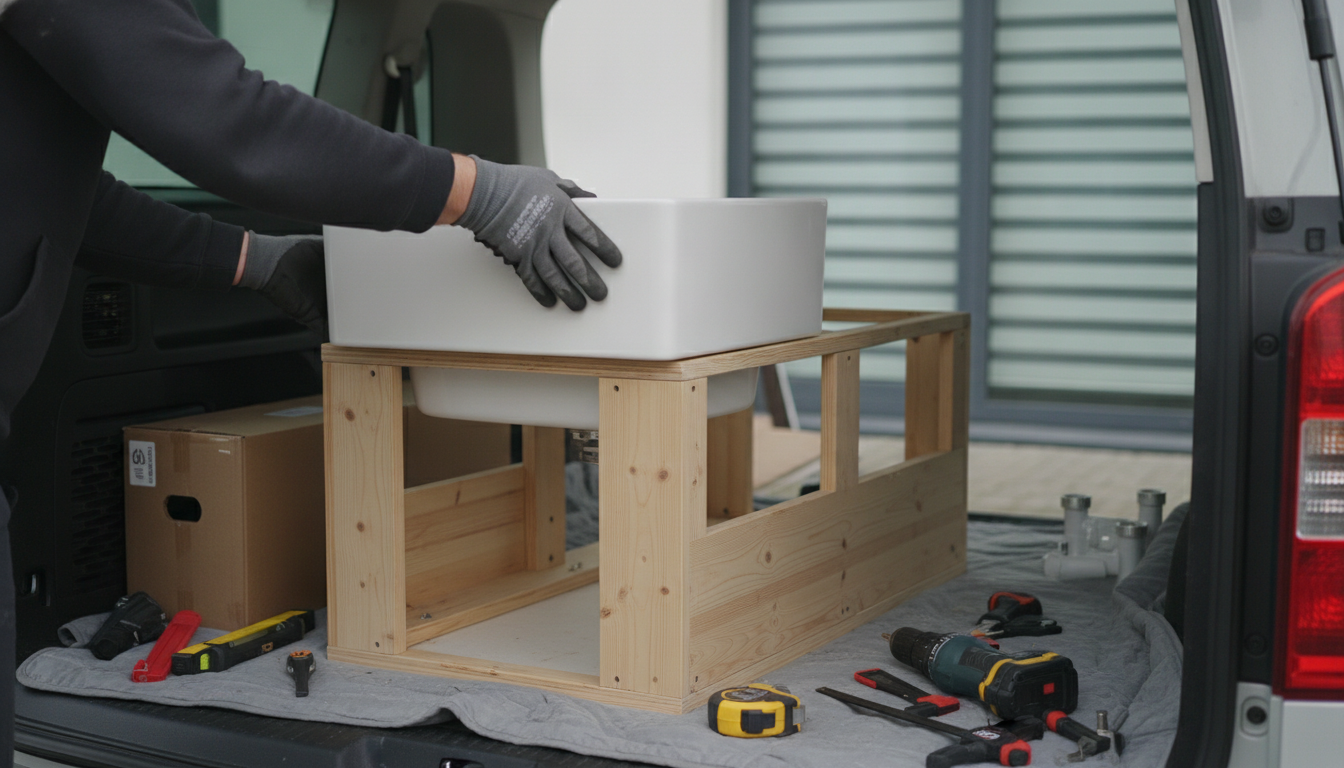
Yes—using a different sink with IKEA cabinets is possible, but it’s rarely a drop-in swap. The cabinet’s width, top style, and plumbing layout determine whether an off-brand sink will fit cleanly and function without awkward gaps or complicated modifications. The easiest combinations are standard-size sinks paired with a compatible countertop that can be cut to match.
Start with cabinet size and sink type. A sink that’s too wide can interfere with side panels and drawer boxes, while one that’s too deep may hit the back wall plumbing. For bathroom setups, confirm the sink’s faucet hole configuration (single-hole vs. widespread) and overflow location. For kitchens, check whether the cabinet is designed for an undermount or drop-in installation and whether the sink’s flange or clips have adequate support.
If your IKEA cabinet uses a separate countertop, you have more flexibility because the cutout can be made to match a different sink. With integrated sink-and-top combos, swapping the sink typically means replacing the entire top. Also consider material: stone, solid surface, and laminate can all be cut, but each has different edge and sealing requirements around the sink opening.
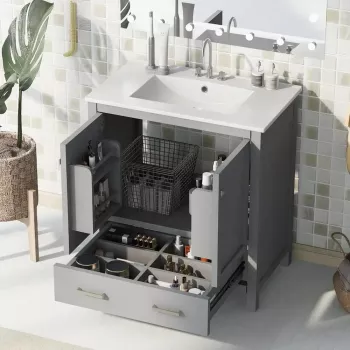
Even when the sink fits, the drain position may shift. That can require rerouting the trap or moving shutoff valves to avoid tight bends and leaks. In bathroom vanities with drawers, a different basin depth can reduce usable storage or force a drawer cutout. If you’re choosing a vanity style that prioritizes storage, it helps to compare sink dimensions alongside drawer clearance and basin depth.
For ideas on practical vanity layouts—especially when drawers and a ceramic basin are part of the plan—see the detailed guide here: https://chicvow.com/guide-30-inch-bathroom-vanity-drawers-ceramic-basin-storage/.
Not always, but it helps. A separate countertop that can be cut to the sink’s exact template makes swapping much simpler than an integrated sink/top unit.






Leave a comment