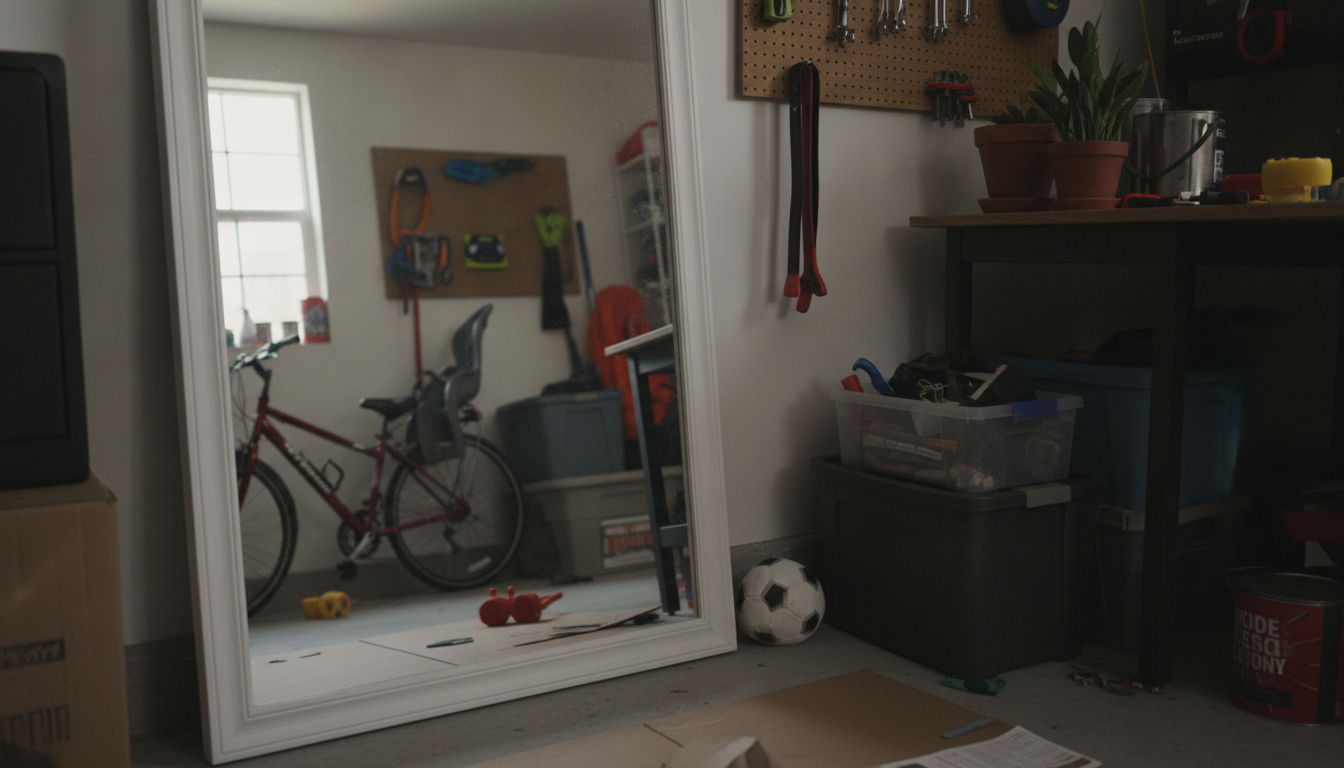
Yes—arched mirrors are still in style, and they continue to show up in both modern and classic interiors. Their curved top softens sharp lines from cabinets, tile, and furniture, making a room feel more balanced and intentionally designed. Because they work as both décor and a functional reflection source, they’ve stayed popular well beyond a short-lived trend cycle.
The arch shape naturally draws the eye upward, which can make ceilings feel taller and small rooms feel less boxed in. Compared with a standard rectangle, an arched mirror adds a subtle architectural detail that reads as “finished,” even in simple spaces. It’s also versatile: it can look minimalist in a thin metal frame, traditional in a carved wood frame, or glamorous in a gold finish.
Arched mirrors are especially effective in entryways, above bathroom vanities, and over console tables where you want a focal point without heavy wall art. In bedrooms, they can soften a wall of straight-edged furniture. In living rooms, a large arched mirror leaned against the wall can make the space feel brighter and more open by bouncing light around the room.
To keep the look timeless, focus on proportion and framing. A mirror that’s too small can feel like an afterthought, while an oversized arch can anchor the wall in a way that feels intentional. Frame choice matters too: black or brass metal frames skew contemporary, while warm woods and thicker profiles lean transitional or traditional. If the room already has strong curves (rounded sofa, arched doorway), keep the mirror frame simple; if the room is very angular, a more substantial frame can add character.
For more styling tips and updated examples, read the full guide here: https://chicvow.com/are-arched-mirrors-still-in-style/.
Rectangular and round mirrors tend to be the most timeless because they’re easy to scale for different walls and pair with almost any décor style. Arched mirrors can also feel timeless when the frame and size are chosen to match the room’s architecture.


Leave a comment