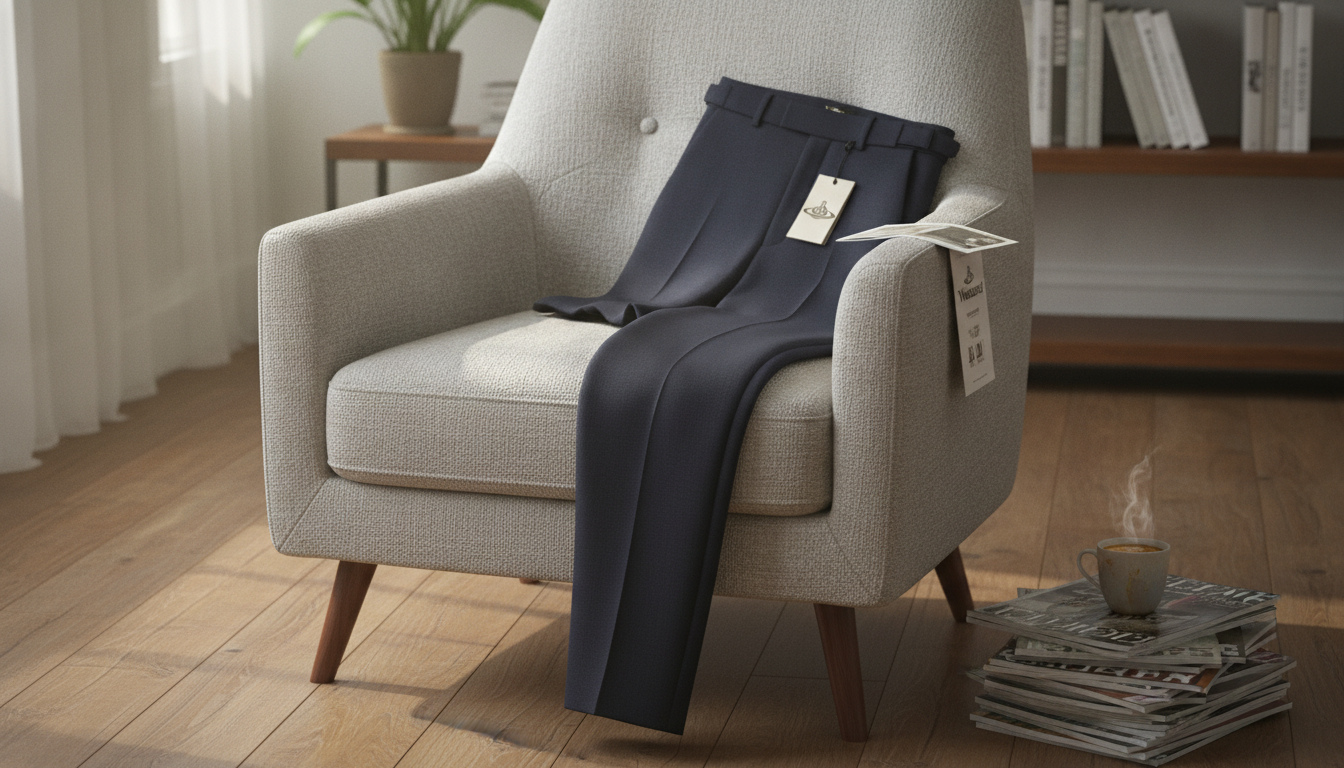
Tailored virgin wool pants with a structured drape and polished finish can anchor a wardrobe for years. This guide breaks down what to look for in fabric feel, fit, styling, and care so the piece stays sharp season after season. If you’re considering a designer trouser that can move from weekday structure to weekend ease, Vivienne Westwood Virgin Wool Pants are a strong starting point thanks to wool’s natural performance and the way tailoring elevates even simple outfits.
Virgin wool refers to wool made from new fleece (not recycled), which often translates to a cleaner hand-feel and more consistent resilience. In well-made trousers, that resilience shows up in how the fabric “springs back” after sitting and how smoothly it hangs from the hip to the hem.
Another advantage is comfort across changing temperatures. Wool is naturally breathable and helps regulate heat, making it wearable through cool-to-mild weather and surprisingly adaptable with smart layering. Add a coat in winter or a light knit in transitional months, and the pants keep their composed line without feeling suffocating.
Finally, a good wool trouser holds a crease well while still moving comfortably. The best pairs combine thoughtful patterning with proper finishing so the crease looks intentional—not rigid—and the knees don’t bag out by midday.
Start by checking the rise and how the waistband sits. A higher rise can elongate the leg and works neatly under blazers, while a mid-rise often feels more “everyday” and forgiving with tucked or untucked tops. A low rise can look sleek but tends to be less versatile for business styling and may shift more when sitting.
Leg shape makes a bigger difference than many shoppers expect. Straight and tapered legs usually pair cleanly with loafers, oxfords, or minimal sneakers. Wider legs can look striking with chunkier footwear and can balance heavier outerwear, but they’re more sensitive to hem length and shoe height.
Also inspect tailoring details that affect longevity and fit: waistband structure (does it stay flat?), pocket placement (does it lie smooth?), seam finishing (neat inside construction helps the garment keep shape), and whether the hem is easy to adjust if you want a different break over shoes.
| Detail | What to check | Why it matters |
|---|---|---|
| Fabric hand | Smooth with a springy return; minimal scratchiness | Comfort and drape throughout the day |
| Crease retention | Press line stays defined after sitting | Polished look with less frequent pressing |
| Waistband feel | Sits flat without gaping; secure closure | Comfort and a cleaner tuck-in |
| Pockets | Lie flat; don’t pull open when moving | Prevents bulk and distortion at the hips |
| Hem length | Falls cleanly with a slight break (or as preferred) | Balances proportions and shoe pairing |
Prioritize the waist and hip first, since those areas are the hardest to alter cleanly. A tailor can usually refine the leg more easily than the top block, so if the waistband is perfect but the leg feels slightly roomy, you still have options.
For a streamlined line, the seat should look smooth with no horizontal pulling. If you notice wrinkling under the seat or stress lines at the hips, it can indicate a tight rise or insufficient room through the upper thigh. On the other hand, excess fabric at the back thigh can signal the rise is too long or the seat is too roomy.
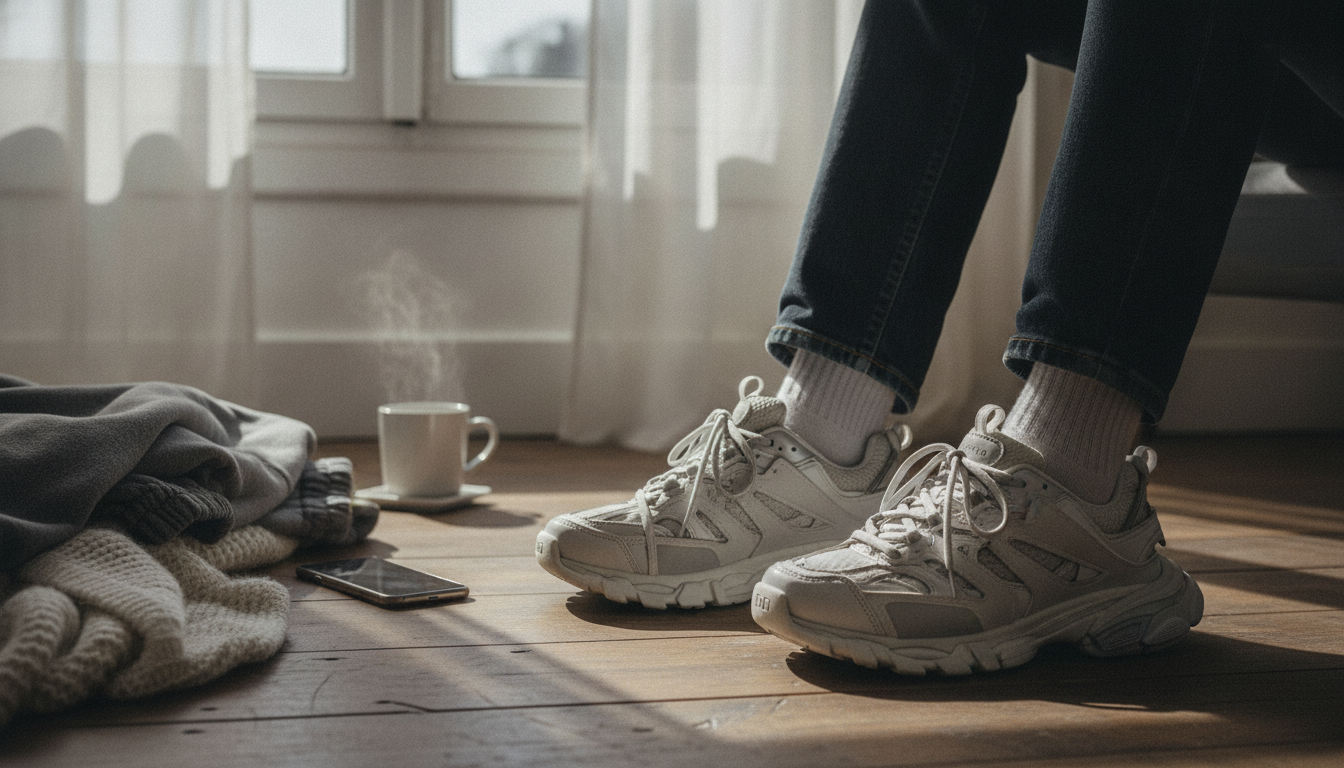
Pair tailored wool pants with a crisp button-down and a structured blazer for a clean, vertical line. Keep footwear minimal and refined so the trousers remain the focal point. If you prefer a modern contrast, white leather shoes can bring polish without looking overly formal—Calvin Klein Jeans Women’s White Leather Shoes are an easy option for balancing sharp tailoring with a lighter finish.
Spot-clean promptly and brush lightly to remove surface dust. Wool typically needs less frequent washing than cotton because it resists odor and doesn’t hold grime as quickly when cared for properly. For practical guidance on wool upkeep, follow the recommendations from The Woolmark Company — Care instructions for wool.
Always follow the care label for the recommended cleaning method; structured tailoring is often best maintained with professional dry cleaning when truly needed. For an overview of how apparel care labeling works in the U.S., the Federal Trade Commission — Care labeling overview (U.S.) is a helpful reference.
Yes—virgin wool is breathable and helps regulate temperature, so it tends to stay comfortable through long days. Comfort depends heavily on fit and rise: a waistband that sits flat without pinching and enough room through the hip and thigh make the biggest difference, and lining can add smoothness if you’re sensitive to texture.
Dry clean only when needed, such as for noticeable stains, odors, or when the pants no longer hang cleanly after airing out. Regular brushing, spot-cleaning, and resting between wears can reduce cleaning frequency and help preserve the trouser’s structure; always follow the care label.
In most cases, hemming and a slight taper are common alterations and can be done without harming the overall silhouette. Major changes to the waist or hip are harder to execute cleanly, so it’s best to start with a fit that’s already close and use an experienced tailor for refinements.


Leave a comment