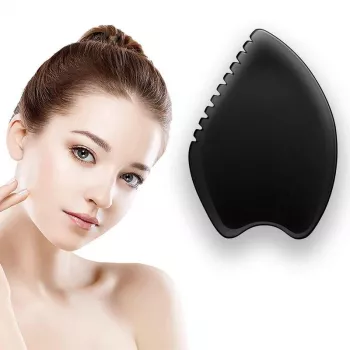
A 9-edge gua sha tool makes it easy to move from precise facial work to broader body massage without swapping tools. With the right angle, enough “slip,” and a light-to-medium touch, gua sha can feel relaxing and leave skin looking more refreshed—especially when you’re consistent. Below is a practical guide to what the different edges are for, how to use them on common areas (jaw, cheeks, neck, shoulders, legs), and how to clean and store your tool for comfortable, repeatable results.
A gua sha tool is a handheld massage tool designed to glide over skin to support relaxation, reduce the look of puffiness, and improve the feel of tight areas. A “9-edge” design simply means you get multiple curves, corners, and flat sections—so you can switch contact points depending on the area you’re working on.
Different edges help you match the tool to the shape of the area—so you can maintain smooth contact without awkward wrist angles or uneven pressure.
| Tool edge/shape | Best area | Stroke direction | Pressure |
|---|---|---|---|
| Long flat edge | Cheeks, forehead, thighs | Outward/upward on face; upward toward heart on limbs | Light to medium |
| Curved notch | Jawline, neck sides, traps | Up and out; along muscle fibers | Light on neck; medium on shoulders |
| Rounded corner | Temples, orbital bone | Small outward sweeps | Very light |
| Smaller inner curve | Between brows, sides of nose | Short, controlled strokes | Very light |
| Wider curve | Calves, hamstrings, glutes | Long upward sweeps | Medium |
Plan for a short routine you can repeat. More time isn’t always better—gentle, consistent strokes usually outperform aggressive pressure.
If you’re curious about how traditional practices fit into broader wellness, NCCIH provides an overview of Traditional Chinese Medicine and related approaches.
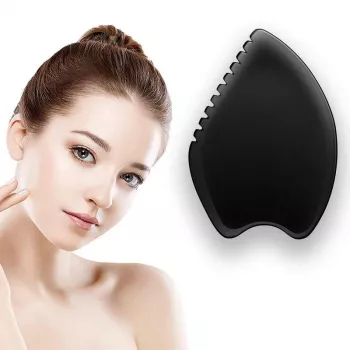
If you want one travel-friendly tool that covers face, neck, and body, the 9-Edge Gua Sha Facial & Body Tool is designed with multiple edges so you can switch between facial contouring strokes and broader body massage without changing tools.
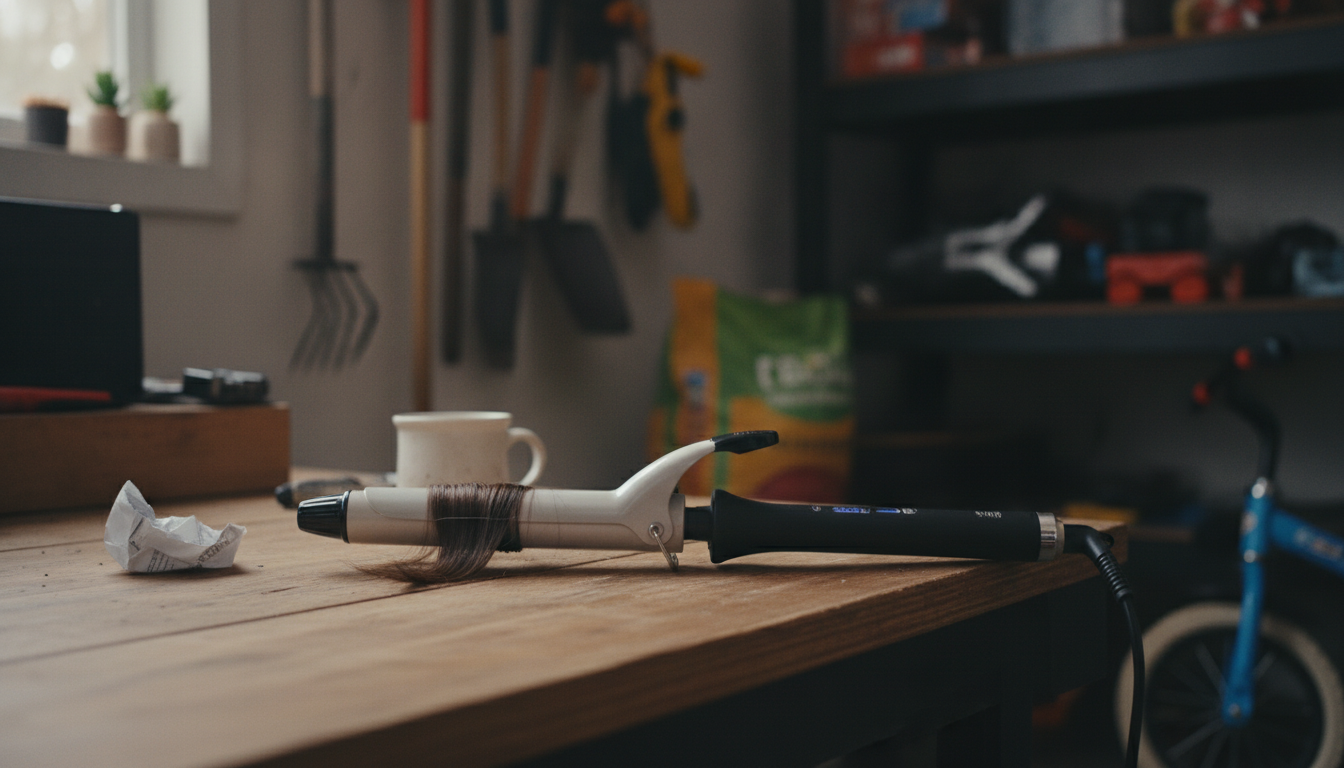
To round out a simple “ready in minutes” routine, a heat-styling option can pair nicely with massage-based self-care. If that’s your vibe, consider the Automatic Ceramic Hair Curler with Rotating Barrel & Digital Temperature Control for quick styling after your skincare step.
Start with 3–5 times per week for about 5–8 minutes, then increase to daily if your skin tolerates it well. Keep pressure gentle and use enough oil or serum so the tool glides without tugging.
Yes, but keep pressure very light and avoid strong pressure on the front of the neck. Focus on controlled strokes along the sides of the neck and near the jawline.
Temporary redness can happen from massage and increased surface circulation, and it should fade relatively quickly. If redness persists, stings, or you bruise, use less pressure, add more slip, or stop and let skin recover.

Leave a comment