
All RGB strip lights are LED strip lights, but not all LED strip lights are RGB. “LED strip light” describes the technology (light-emitting diodes mounted on a flexible strip). “RGB strip light” describes a type of LED strip designed to mix colors—red, green, and blue—to create a wide range of hues.
Standard LED strip lights typically produce one fixed color temperature or one fixed color. Common options include warm white, neutral white, cool white, or a single color like red or blue. They’re popular for under-cabinet lighting, accent lighting, and task lighting because they’re straightforward: you pick the color output you want and dim it as needed.
Some LED strips are “tunable white” (often labeled CCT), letting you shift between warm and cool white. That’s still different from RGB because it adjusts white tones rather than creating saturated colors like magenta or teal.
RGB strips use groups of red, green, and blue LEDs (or RGB chips) to blend colors. With a controller or app, they can display static colors, dynamic patterns, fades, and music-reactive effects. This makes them ideal for gaming setups, events, mood lighting, and creative video/photo backgrounds.
Single-color LED strips usually need a simple dimmer and are often easier to wire. RGB strips require a compatible controller (and sometimes more conductors, depending on RGB vs. addressable RGB). RGB can cost more due to the control hardware and the extra functionality.
Choose standard LED strips for clean, consistent illumination and simple installation. Choose RGB strips when color variety, scene presets, and visual effects matter more than pure white accuracy.
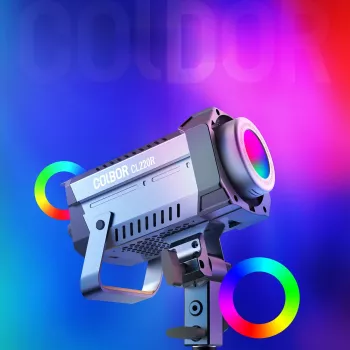
For a practical look at RGB lighting gear and setup considerations, see the guide here: https://chicvow.com/guide-220w-rgb-led-video-light-setup-guide/.
Yes—RGB strips can add color washes, gradients, and accent lighting that help shape mood and depth. For best results, use diffusers and avoid placing the strip directly in-frame to reduce hotspots.






Leave a comment