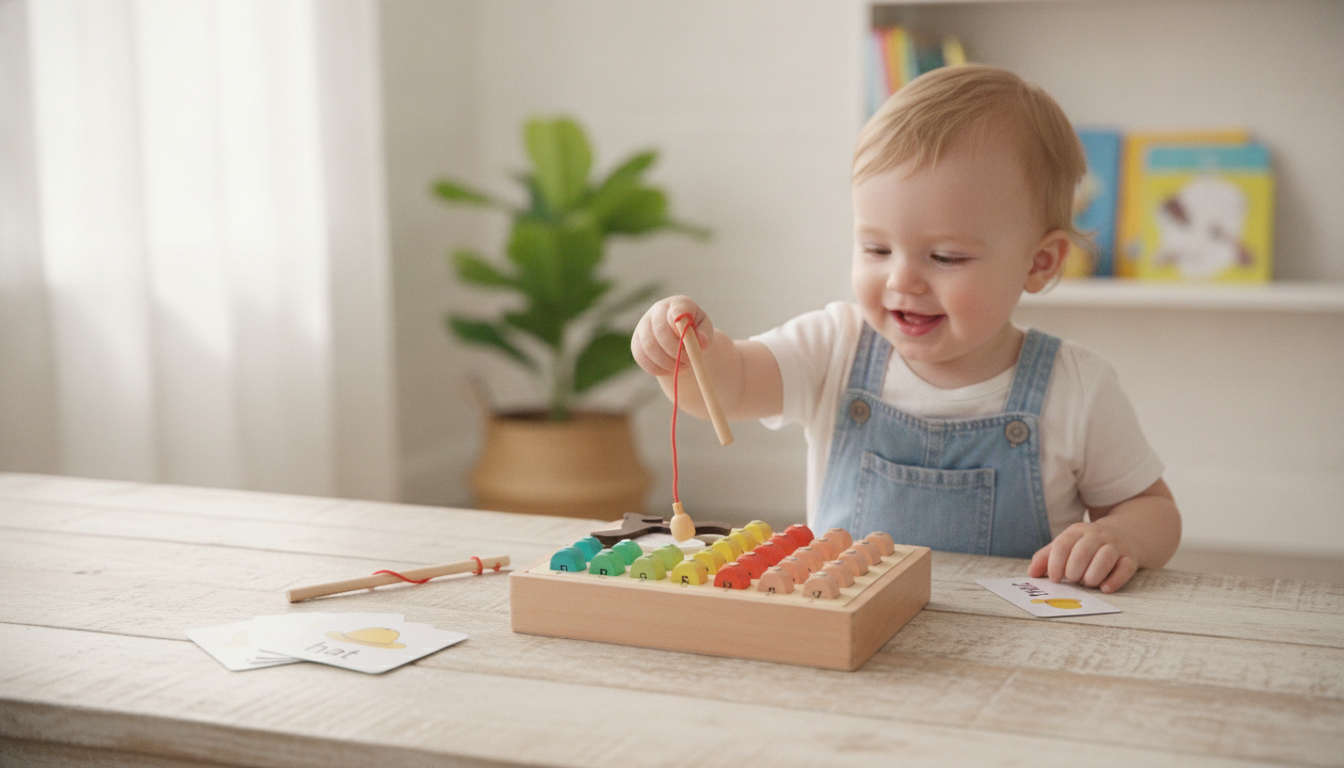
A magnetic fishing game turns classic pretend play into a simple activity that builds coordination, patience, and focus. With a “catch and release” rhythm, it works well for solo play, sibling games, or quick learning moments at home, in classrooms, or on the go.
Magnetic fishing sets hit a sweet spot for kids: they feel like a real challenge, but the learning curve is friendly. Each “catch” is a small win that keeps the game moving.
Because the goal is simple—line up the magnet and lift—kids can focus on the process. That process quietly strengthens several early skills used in daily routines and school activities.
If you like tying play to developmental stages, the CDC developmental milestones are a helpful reference for what many kids work on by age (like coordination, attention, and early counting).
Not all sets feel the same in real play. The best choice depends on how long your child typically sticks with an activity and whether play is mostly solo, cooperative, or competitive.
| Age range | Best play format | Simple challenge to try | What it practices |
|---|---|---|---|
| 2–3 | Solo or parent-guided | Catch 3 fish in a row with the same hand | Grip strength, basic coordination |
| 3–5 | Turn-taking with siblings | Sort catches by color or type | Sorting, vocabulary, patience |
| 5–7 | Rules-based game | Timed fishing round + score tally | Focus, counting, sportsmanship |
| 7+ | Creative challenges | “Rescue mission” story game with roles | Planning, storytelling, cooperation |
Magnetic toys can be a great choice when built well and used appropriately. A quick safety check before the first play session helps keep the game worry-free.
For broader guidance, review toy safety recommendations from the U.S. Consumer Product Safety Commission (CPSC) and the American Academy of Pediatrics.
Once kids master the basic “lift and land,” adding tiny twists can stretch playtime and keep siblings engaged without turning the game into something complicated.
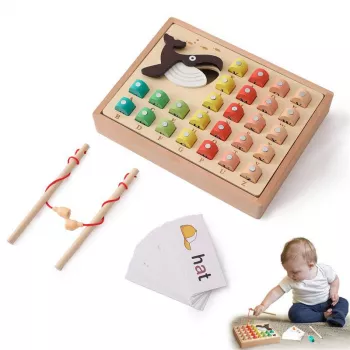
If you’re looking for a ready-to-play option that works for quick setup and repeat sessions, the Magnetic Fishing Toy Set is designed for grab-and-go fun. It also fits nicely as a giftable activity for playrooms, rainy days, and learning-through-play moments.
| Item | Details |
|---|---|
| Product name | Magnetic Fishing Toy Set |
| Price | $37.51 |
| Availability | In stock |
| Product page | See the Magnetic Fishing Toy Set details and availability |
If you like keeping a simple routine of activities (especially for weekends, travel days, or rainy afternoons), a lightweight planner can make it easier to rotate games and track what keeps kids engaged. The Design Your Life: A Simple Guide to Setting Goals That Actually Matter | Life Goals Planner | Digital Goal Setting Guide eBook | Personal Growth Download is an in-stock digital option that can help map out low-prep play blocks and family goals.
Many sets work well from toddler age through early elementary, depending on piece size and difficulty. Always follow the labeled age guidance on the toy, and supervise younger children if parts or magnets could be mouthed.
They can be safe when magnets are fully enclosed and securely attached, and when the toy is used as directed. Stop using the set if any magnet loosens, keep cords/lines tidy, and store the toy out of reach of very young children when not supervised.
Use catches for counting practice, sort fish by color or shape, create simple patterns, or run timed rounds with score tallies. It also supports vocabulary (sea animals, colors) and social skills like turn-taking and handling retries after misses.





Leave a comment