A self-cleaning litter box with app control can cut down on daily scooping, help you notice changes in litter box habits sooner, and keep odor more consistent through frequent, automatic cleaning. The key is understanding how the cleaning system works, what the app actually adds day to day, and how to set it up so your cat feels comfortable and safe.
What Makes a Smart Self-Cleaning Litter Box Different
Smart self-cleaning boxes aim to “reset” the litter surface after each visit or on a schedule. Instead of relying on you to scoop at the right time, the unit handles removal in smaller, more frequent cycles—often leading to steadier odor control.
- Automated cleaning cycles: A rotating, raking, or sifting mechanism separates clumps from clean litter so the box is ready again quickly.
- Smart app control: Many models let you start/stop cycles, set schedules, view status, and track usage patterns—useful for noticing sudden changes.
- Odor control factors: Odor depends on how quickly waste is removed, how well the waste compartment seals, and how often that bin is emptied.
- Different “hands-on” routine: Daily scooping usually becomes periodic emptying, litter top-ups, and quick wipe-downs of contact surfaces.
Key Features to Look For (Comfort, Hygiene, and Control)
Comfort and confidence for your cat
- Entry height: Kittens and seniors often do better with a lower step-in or an optional ramp/step.
- Interior space: A cramped interior can lead to hesitation, messy positioning, or avoiding the box altogether.
- Noise and motion: Quieter motors and smoother movement tend to be easier for shy cats to accept.
Cleaning method and litter compatibility
- Raking/rotating/sifting designs: Each handles clumps differently. Some are more tolerant of softer clumps; others need firm clumping litter to avoid smearing or missed waste.
- Clump size matters: Diet, hydration, and litter type affect clump firmness. A unit that struggles with large clumps can leave residue behind.
Waste handling, sealing, and easy emptying
- Sealed drawer/bin: A tight seal helps trap odor between emptying days.
- Compatible liners: Liners can make emptying faster and cleaner, especially in multi-cat homes.
App controls that help in real life
- Scheduling: Set conservative cycles at first (for example, delayed cleaning after a visit) and adjust as your cat gets comfortable.
- Alerts: “Bin full,” “error,” or “cycle interrupted” notifications prevent overflow and reduce troubleshooting time.
- Usage history: Tracking can be a helpful cue to investigate early if bathroom habits shift.
Safety systems you shouldn’t skip
- Weight/occupancy sensors: These should stop movement if a cat is inside or re-enters mid-cycle.
- Anti-pinch/anti-trap logic: The mechanism should pause or reverse if something interrupts motion.
Maintenance access
- Removable parts: A design that comes apart easily makes deep cleaning realistic (and more likely to happen).
- Smooth interiors: Fewer seams and textured surfaces generally mean faster wipe-downs and less odor buildup.
Quick Comparison: Smart vs. Traditional vs. Semi-Automatic
Daily Routine Comparison
| Type |
Daily effort |
Odor control potential |
What still needs doing |
| Smart self-cleaning with app |
Low |
High |
Empty waste bin, top up litter, periodic wipe-down |
| Traditional litter pan |
High |
Medium |
Scoop 1–2+ times/day, wash pan regularly |
| Sifting/manual assist |
Medium |
Medium |
Lift/sift and dump clumps, clean surfaces |
Setup and First-Week Tips for Smooth Adoption
Maintenance Plan That Keeps Odor and Errors Down
For general cat care and hygiene guidance, refer to reputable resources like the International Cat Care litter tray guidance, the AVMA cat care resources, and the ASPCA cat care information.
When a Smart Self-Cleaning Box May Not Be the Best Fit
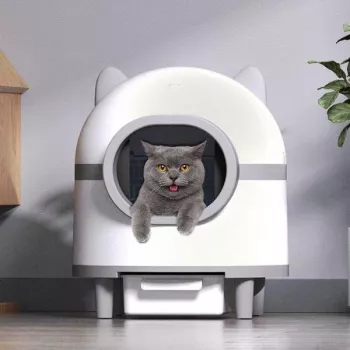
If the goal is fewer daily chores with better consistency, consider the Automatic Self-Cleaning Cat Litter Box with Smart App Control. It’s built to automate waste removal, support scheduled cleaning, and provide app-based monitoring so you can stay ahead of bin-full or error situations instead of discovering them late.
More In-Stock Picks
FAQ
Do cats usually accept a self-cleaning litter box?
Most cats do when the transition is gradual. Place the new unit near the old box, use familiar litter, and run cleaning cycles when your cat isn’t nearby at first so the motion and sound don’t feel threatening.
What litter works best with an automatic self-cleaning box?
Clumping litter that forms firm clumps and doesn’t create excessive dust is usually the most reliable. Starting with your cat’s current litter and confirming compatibility helps reduce jams and incomplete cleaning.
How often does the waste bin need to be emptied?
It depends on bin size and how many cats are using it. Many single-cat homes can go several days, while multi-cat homes typically need more frequent emptying—bin-full alerts help prevent overfilling.
Recommended for you





Leave a comment